










Description
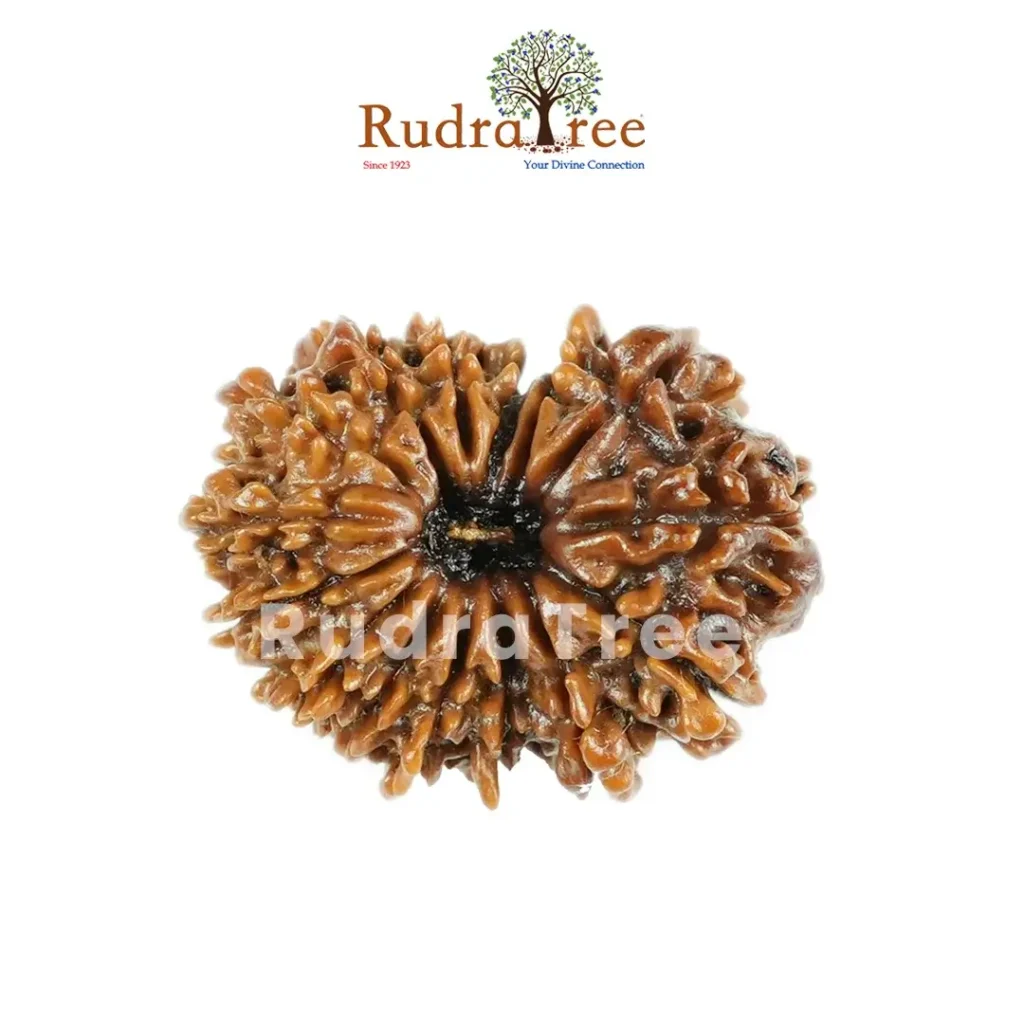
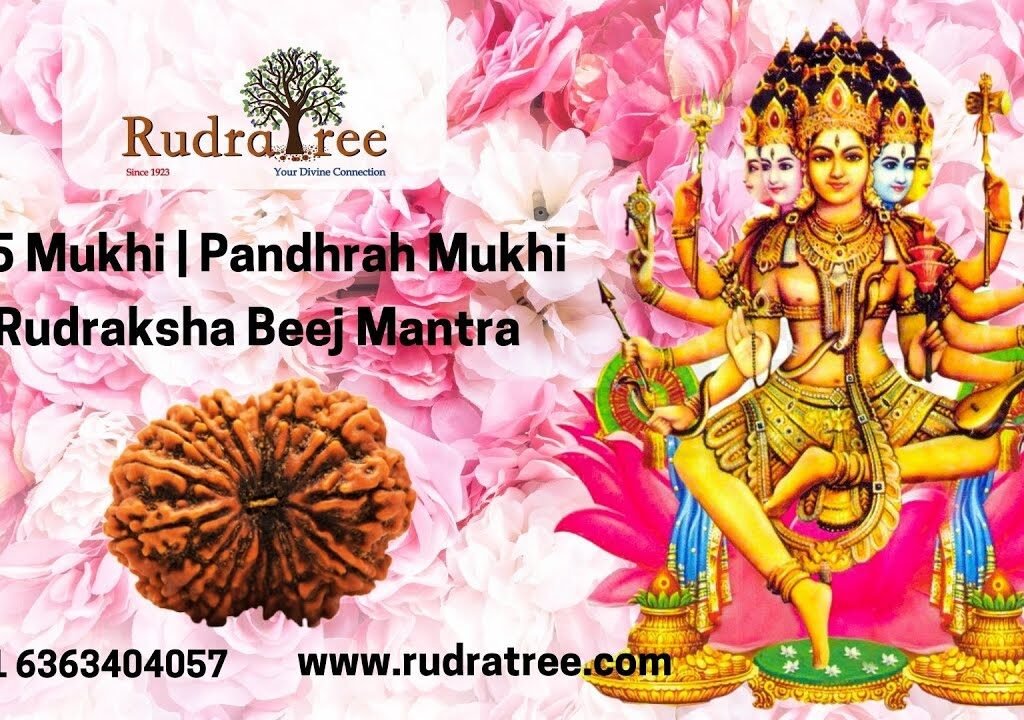
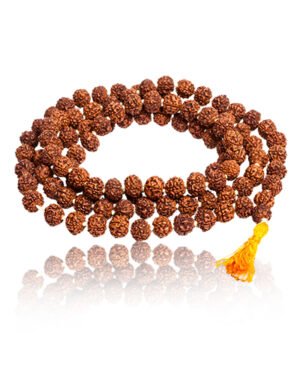
- Lord Pashupatinath has bestowed his favour upon the 15-mukhi rudraksha. He is the one and only incarnation of Shiva. The surface of the bead is crisscrossed by 15 natural lines.
- The rudraksha is said to appeal to people’s innate sympathy for and interest in the welfare of animals and other sentient beings.
- Pashupatinath, the ruler of all animals, guarantees that both sexes will experience the joys of love, serenity, and acceptance. It aids the user in resolving inner difficulties and growing spiritually.
- The bead has characteristics with the 15 Mukhi Rudraksha, which is said to be imbued with the divine force of Devamani and bring about the acquisition of prosperity and good fortune.
Lord Pashupati Nath according to the Vedic Scriptures:
- This fascinating name, Pashupati, refers to a deity who rules over animals. Originating from the Sanskrit terms for “animals” (Pashu) and “the protector” (Pati), the name gets its English meaning. From the name Pushan comes the name “Pashupati,” who was mentioned in the Rig Veda as a guardian of animals.
- Pashupati is also the name of a character seen on a seal from the Indus Valley Civilization who is portrayed seated amid animals while wearing a horned headdress. This figure has been interpreted as an early version of Rudra.
- The tales indicate that snakes and other reptiles would seek to Lord Shiva for protection, and it is said that He even wears snakes as ornamentation on His body. Shree Pashupatinath, also known as Lord Pashupati Mahadev, watches over and provides for every living thing.
- If a person has sinned greatly in this life, Hindus believe that he or she will be reborn as an animal instead of a human being in the next.
- It is believed that a person’s sins are cleansed after a darshan of the Divine Lingam at the temple of Lord Pashupatinath, guaranteeing the person’s rebirth as a human being in the next life.
The Tale of Lord Pashupati Nath
- Lord Shiva and His spouse Parvati once strolled along the peaceful banks of the Bagmati River. Because of their admiration for the area and its suitability for divine spiritual practises, they chose to remain there indefinitely, donning the semblance of two deer.
- Some time passed before the Gods and Sages of the Heavens realised that Shiva and Parvati had taken the appearance of deer and were roaming the Earth.
- At first, they begged Lord Shiva and Goddess Parvati to return to their heavenly home, but the latter steadfastly refused. A battle ensued between the Lord and the Gods, and in the process, one of His antlers was broken.
- In the Pashupatinath temple, this shattered antler is supposed to have been the original Lingam/Linga. But this antler or Lingam was lost in Mother Earth, and no one knew where to look for it, until one day when the Cow of a Cowherd watered the area with her milk (a ritual akin to Abhishekham).
- The herder dug a hole to find out what was behind the cow’s strange attitude and was rewarded with the sight of a Lingam.
- The Asuras Kamlaaksha, Taarakaaksha, and Vidyunmaali were wreaking havoc by attacking Gods and Sages, and so Shiva was given the name Pashupati by Vishnu and the other Gods at the time of Tripura Samhar, when Shiva became the Lord of all Demons (Pashu or beasts) and destroyed Tripura, the three cities of illusion.
- According to Shiv Purana, every sentient entity, including humans, enslaved by his or her own ego, wants, or ignorance is equated to an animal (pashu), and only Pashupati can free them. If Shiva is so great, then why does he go by the name of Pashupatinath?
- This fascinating name, Pashupati, refers to a deity who rules over animals. Originating from the Sanskrit terms for “animals” (Pashu) and “the protector” (Pati), the name gets its English meaning. From the name Pushan comes the name “Pashupa,” who was mentioned in the Rig Veda as a guardian of animals.
- Pashupati is also the name of a character seen on a seal from the Indus Valley Civilization who is portrayed seated amid animals while wearing a horned headdress. This figure has been interpreted as an early version of Rudra.
- The tales indicate that snakes and other reptiles would seek to Lord Shiva for protection, and it is said that He even wears snakes as ornamentation on His body. Shree Pashupatinath, also known as Lord Pashupati Mahadev, watches over and provides for every living thing.
- If a person has sinned greatly in this life, Hindus believe that he or she will be reborn as an animal instead of a human being in the next. It is believed that a person’s sins are cleansed after a darshan of the Divine Lingam at the temple of Lord Pashupatinath, guaranteeing the person’s rebirth as a human being in the next life.
⭐Astrological Significance⭐
Associated with Mercury and Ketu, the 15 Mukhi Rudraksha enhances intuition, clarity, and spiritual growth while balancing emotions, supporting heart chakra activation, and helping overcome karmic obstacles for inner peace.
Origin and Spiritual Attributes
- Origin: Nepal. As per the Rudraksha Upanishad, Nepali Rudraksha are considered more significant and beneficial than Indonesian beads. They are bigger in size & heavier in weight, similar to the size of an Amla.
- Ruling Deity: Lord Pasupathi Nath
- Ruling Planet: Planet Mercury & Ketu
Energetic Properties and Physical Details
- Bheej Mantras:“Om Pashupataya Namah” & “Om Namah Shivaye”
- Related Chakras:Anahata Chakra
- Size of Beads:26–32mm
How do you identify the original 15-Mukhi Rudraksha?
Quality Rudraksha contains mukhis that have an obvious outline, which flow through their entirety. The majority of the time, single-mukhi Rudraksha beads with more than 12 lines can be made by traders for the purpose of earning an impressive profit. The upper mukhi is created by the carving of the lower mukhi. As per the Maha Shiv Puran, the most reliable way to know the authenticity of a 15-Mukhi Rudraksha is to break the bead along its center and count the number of chambers. The lines in the chambers must be equal to the number of mukhis located on the outside part of the bead. In X-rays, internal lines can also be seen clearly, confirming structural consistency. The authentic Rudraksha is an exquisite body with clearly defined grooves or mukhis, while artificial or fake beads may appear similar but lack exact structural alignment. Beads that are incomplete or insect-damaged have higher chances of breaking. Rudraksha beads may appear to spin between copper coins, but this is influenced by gravity and surface contact rather than authenticity. Many seekers prefer a certified 15 Mukhi Rudraksha to ensure genuine origin and structural accuracy.
For those looking to purchase safely, RudraTree is considered the best place to buy rudraksha online, ensuring authenticity, certification, and expert guidance for genuine spiritual benefits.


Reviews
There are no reviews yet.