







Description
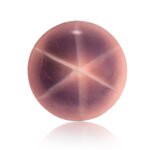
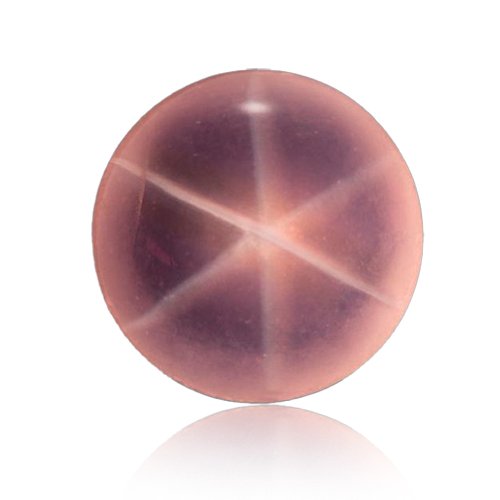
Rose Quartz, admired for its soft pink hues and gentle energy, is a gemstone widely associated with love, compassion, and emotional healing. Often called the “Stone of Love,” Rose Quartz is believed to open the heart chakra and promote harmony in relationships, self-love, and inner peace. This beautiful variety of quartz is found in countries such as Brazil, Madagascar, and South Africa. Its delicate color and soothing appearance make it popular in jewelry, decorative objects, and spiritual practices. In addition to its aesthetic appeal, Rose Quartz is valued for its emotional and spiritual benefits, believed to encourage forgiveness, reduce stress, and nurture emotional well-being. With increasing attention to ethical sourcing and sustainable mining, Rose Quartz continues to hold cultural, spiritual, and historical significance as a symbol of unconditional love and compassion.
Physical Characteristics of Rose Quartz Stone
- Color and Appearance:Soft pink to rose-red shades, often translucent with a gentle glow.
- Hardness and Durability:Scores 7 on the Mohs hardness scale, making it durable enough for everyday jewelry.
- Unique Features:Known for its cloudy translucence and soothing pink color caused by trace minerals such as titanium, iron, or manganese.
Origin and Sourcing
- Geological Formation:Formed in pegmatite deposits during the cooling of magma.
- Major Mining Locations:Brazil, Madagascar, South Africa, India, and Sri Lanka.
- Historical and Cultural Significance:Used in jewelry and ornaments since ancient civilizations; believed by Egyptians and Romans to possess beauty-enhancing and healing properties.
⭐ Astrological Significance ⭐
Associated Graha: Venus (Shukra)
Recommended Astrological Conditions for Wearing: Often suggested for individuals seeking to strengthen Venus-related qualities such as love, beauty, harmony, and relationships.
Cultural and Mythological References: Associated with romance, compassion, and emotional healing in many spiritual traditions.
Therapeutic and Healing Properties
- Believed Health Benefits:Said to support heart health, reduce stress, and promote relaxation.
- Emotional and Spiritual Benefits:Believed to encourage self-love, emotional healing, compassion, and peaceful relationships.
- Traditional Uses: Used in meditation, energy healing, and rituals focused on love and emotional balance.
Jewelry and Usage
- Popular Forms:Rings, pendants, bracelets, earrings, beads, and carved decorative items.
- Recommended Metals for Setting:Rose gold, silver, and yellow gold enhance its gentle pink color.
- Care and Maintenance Tips: Clean with mild soap and lukewarm water; avoid harsh chemicals and prolonged sunlight exposure.
Market and Value
- Factors Affecting Value:Color intensity, transparency, size, and quality of polish.
- Tips for Identification of Authentic Stones: Natural Rose Quartz typically has a soft cloudy appearance rather than perfect transparency; certification ensures authenticity
- Market Trends and Availability: Widely available and popular in both jewelry and wellness markets due to its attractive color and symbolic meaning.
Ethical and Environmental Considerations
- Responsible Sourcing Practices:Growing awareness about ethically sourced gemstones and transparent supply chains.
- Environmental Impact: Efforts are increasing within the industry to minimize environmental impact during mining.
- Ethical Concerns: Focus on responsible mining practices and fair labor conditions.
Historical and Cultural Context
- Historical Uses and Significance:Used in ancient Egypt, Greece, and Rome as a symbol of love and beauty.
- Cultural Beliefs and Traditions:Believed to attract love, strengthen relationships, and bring emotional harmony.
- References in Literature and Art: Frequently associated with romance and compassion in cultural traditions and artistic symbolism.
⭐ Find Your Ideal Astrological Gemstone ⭐
RudraTree offers certified, authentic gemstones chosen through traditional astrological guidance to support your personal energy and life path. Connect with our experts to select the best gemstone for horoscope alignment with clarity, accuracy, and confidence.
Reviews
There are no reviews yet.