









Description
What is Black Tourmaline?
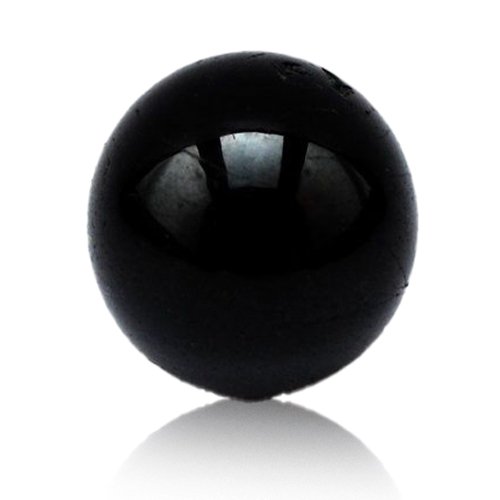
Black Tourmaline, also known as Schorl, is a powerful protective gemstone admired for its deep black color and strong grounding energy. It is widely valued in spiritual traditions for its ability to absorb negative energy and create a protective shield around the wearer. Often associated with grounding and stability, Black Tourmaline is believed to help protect against negative influences, electromagnetic radiation, and emotional stress. Found in regions such as Brazil, Africa, Pakistan, and the United States, this gemstone forms in igneous and metamorphic rocks. Due to its durability and striking appearance, Black Tourmaline is commonly used in jewelry as well as in spiritual practices and home protection rituals.
Physical Characteristics of Black Tourmaline
Color and Appearance:
Deep black with an opaque finish, often displaying vertical striations along the crystal surface.
Hardness and Durability:
Scores 7–7.5 on the Mohs hardness scale, making it suitable for jewelry and decorative pieces.
Unique Features:
Known for its natural striated crystal structure and its ability to generate a mild electrical charge when heated or rubbed (pyroelectric and piezoelectric properties).
Origin and Sourcing
Geological Formation:
Formed in igneous and metamorphic rocks, particularly in granite pegmatites.
Major Mining Locations:
Brazil, Madagascar, Afghanistan, Pakistan, Sri Lanka, and the United States.
Historical and Cultural Significance:
Historically used as a protective talisman to ward off negative energies and harmful influences.
Astrological Significance
Associated Graha:
Often linked with Saturn (Shani) due to its grounding and protective properties.
Recommended Astrological Conditions for Wearing:
Suggested for individuals seeking protection from negative influences or during challenging Saturn periods.
Cultural and Mythological References:
Believed in many cultures to act as a shield against negative energies and psychic attacks.
Therapeutic and Healing Properties
Believed Health Benefits:
Said to help reduce stress, improve circulation, and support overall physical balance.
Emotional and Spiritual Benefits:
Believed to promote grounding, emotional stability, and protection from negative energy.
Traditional Uses:
Commonly used in meditation, energy healing, and placed in homes or workplaces to create a protective environment.
Jewelry and Usage
Popular Forms:
Rings, pendants, bracelets, beads, and protective talismans.
Recommended Metals for Setting:
Silver, white gold, and stainless steel are commonly used to complement its dark appearance.
Care and Maintenance Tips:
Clean gently with mild soap and water; avoid harsh chemicals and strong impacts to maintain its natural structure.
Market and Value
Factors Affecting Value:
Crystal size, quality of structure, finish, and overall appearance.
Tips for Identification of Authentic Stones:
Natural Black Tourmaline often shows vertical striations and an opaque black color; certification can confirm authenticity.
Market Trends and Availability:
Widely available and affordable compared to many gemstones, making it popular for both jewelry and spiritual use.
Ethical and Environmental Considerations
Responsible Sourcing Practices:
Growing emphasis on ethically sourced gemstones and transparent supply chains.
Environmental Impact:
Mining operations increasingly adopt sustainable practices to reduce ecological impact.
Ethical Concerns:
Focus on fair labor practices and environmentally responsible mining methods.
Historical and Cultural Context
Historical Uses and Significance:
Used by ancient cultures as a protective stone believed to repel harmful energies.
Cultural Beliefs and Traditions:
Often carried or worn as an amulet for protection and grounding.
References in Literature and Art:
Frequently mentioned in modern crystal healing literature as one of the most powerful protective stones.


Reviews
There are no reviews yet.