







Description
What is Carnelian?
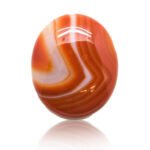
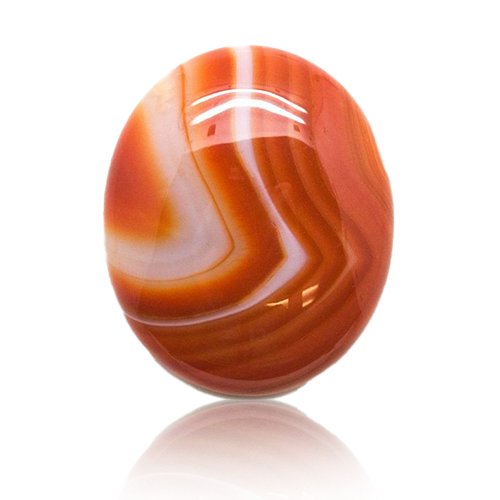
Carnelian is a vibrant reddish-orange gemstone prized for its warm, energetic hues and its association with vitality, courage, and creativity. Known as the “Stone of Motivation” or “Stone of Action,” Carnelian is believed to stimulate ambition, confidence, and personal empowerment. This variety of chalcedony, a type of quartz, often features translucent to opaque shades ranging from light orange to deep reddish-brown. Carnelian is primarily mined in India, Brazil, and Madagascar, and has been used since ancient times in jewelry, seals, and talismans. Beyond its beauty, Carnelian is valued for its emotional and spiritual benefits, including boosting motivation, enhancing focus, and supporting overall vitality. With a focus on ethical sourcing, Carnelian continues to hold cultural, historical, and metaphysical significance.
Physical Characteristics of Carnelian
Color and Appearance:
Reddish-orange to deep reddish-brown, often with uniform coloration.
Hardness and Durability:
Scores 6.5–7 on the Mohs hardness scale, making it suitable for jewelry.
Unique Features:
Known for its warm, translucent glow and smooth polished surfaces; sometimes exhibits natural banding.
Origin and Sourcing
Geological Formation:
Forms in volcanic and sedimentary rocks as chalcedony, often in layers or nodules.
Major Mining Locations:
India, Brazil, Madagascar, Uruguay, and the United States.
Historical and Cultural Significance:
Used in ancient Egypt, Greece, and Rome for jewelry, amulets, and signet rings due to its perceived protective and empowering qualities.
Astrological Significance
Associated Graha:
Mars (Mangal)
Recommended Astrological Conditions for Wearing:
Suggested for individuals seeking courage, vitality, or to strengthen Mars-related influences in their horoscope.
Cultural and Mythological References:
Considered a symbol of courage, motivation, and protection; often worn by warriors and leaders in ancient times.
Therapeutic and Healing Properties
Believed Health Benefits:
Thought to support blood circulation, improve energy levels, and strengthen vitality.
Emotional and Spiritual Benefits:
Believed to boost confidence, courage, motivation, and focus; encourages taking positive action.
Traditional Uses:
Used in meditation, energy healing, and worn as talismans for protection and empowerment.
Jewelry and Usage
Popular Forms:
Rings, pendants, bracelets, beads, and carved ornaments.
Recommended Metals for Setting:
Gold, rose gold, and silver complement its warm reddish tones.
Care and Maintenance Tips:
Clean gently with mild soap and water; avoid prolonged exposure to harsh sunlight or chemicals.
Market and Value
Factors Affecting Value:
Color richness, translucency, size, and quality of polish.
Tips for Identification of Authentic Stones:
Look for natural, even reddish-orange color; certification ensures authenticity.
Market Trends and Availability:
Widely available and affordable, making it popular in jewelry, healing practices, and decorative items.
Ethical and Environmental Considerations
Responsible Sourcing Practices:
Emphasis on ethical mining and transparency in supply chains.
Environmental Impact:
Efforts are being made to reduce environmental impact and promote sustainable practices.
Ethical Concerns:
Ensuring fair labor conditions and conflict-free sourcing.
Historical and Cultural Context
Historical Uses and Significance:
Carnelian was used in ancient civilizations as protective amulets, signet rings, and ceremonial jewelry.
Cultural Beliefs and Traditions:
Believed to encourage courage, motivation, and protection; often used in rituals for empowerment and vitality.
References in Literature and Art:
Frequently depicted as a symbol of energy, courage, and creativity in cultural and spiritual traditions.
Reviews
There are no reviews yet.