











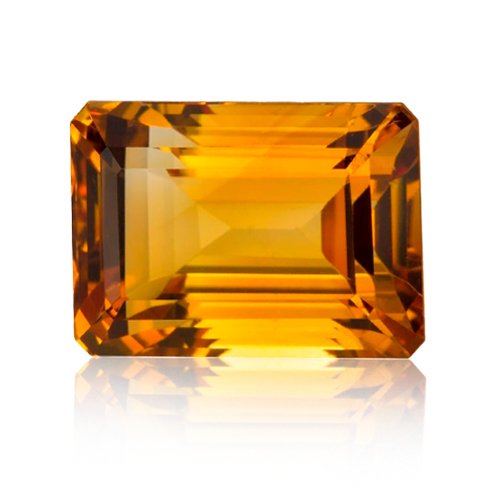
Description
What is Citrine?
Citrine, admired for its warm golden-yellow to amber hues, is a vibrant gemstone widely known for symbolizing prosperity, positivity, and abundance. Often referred to as the “Merchant’s Stone” or “Stone of Success,” Citrine is associated with the Sun and the planet Jupiter in various spiritual traditions, believed to attract wealth, confidence, and positive energy. Formed naturally from quartz, this gemstone is primarily mined in Brazil, Madagascar, and Bolivia. Its radiant color and durability make it a popular choice for jewelry set in gold and silver. Beyond its aesthetic beauty, Citrine is valued for its emotional and spiritual benefits, believed to promote motivation, creativity, and optimism. With increasing focus on ethical sourcing and environmentally responsible mining, Citrine continues to hold cultural, historical, and spiritual significance as a stone of joy and abundance.
Physical Characteristics of Citrine
Color and Appearance:
Ranges from pale yellow and golden hues to deep amber and honey-colored tones.
Hardness and Durability:
Scores 7 on the Mohs scale, making it durable enough for everyday jewelry.
Unique Features:
Known for its bright, sun-like glow and excellent clarity; many natural stones display subtle color zoning.
Origin and Sourcing
Geological Formation:
Formed from quartz crystals in igneous and metamorphic rock environments, often through natural heating processes.
Major Mining Locations:
Brazil, Madagascar, Bolivia, Russia, and parts of Africa.
Historical and Cultural Significance:
Used in jewelry since ancient times and treasured by Greek and Roman civilizations for its beauty and protective qualities.
Astrological Significance
Associated Graha:
Jupiter (Guru)
Recommended Astrological Conditions for Wearing:
Often suggested for individuals seeking to strengthen Jupiter’s influence, particularly during weak Jupiter phases or Guru Dasha.
Cultural and Mythological References:
Considered a stone of prosperity, wisdom, and optimism; associated with wealth and success in many traditions.
Therapeutic and Healing Properties
Believed Health Benefits:
Said to boost energy levels, support digestion, and strengthen the immune system.
Emotional and Spiritual Benefits:
Believed to promote happiness, confidence, creativity, and emotional balance.
Traditional Uses:
Used in meditation and spiritual practices to enhance manifestation, abundance, and personal empowerment.
Jewelry and Usage
Popular Forms:
Rings, pendants, bracelets, earrings, and statement jewelry pieces.
Recommended Metals for Setting:
Yellow gold, rose gold, and silver to enhance its warm golden tones.
Care and Maintenance Tips:
Clean with mild soap and lukewarm water; avoid prolonged exposure to excessive heat or harsh chemicals.
Market and Value
Factors Affecting Value:
Color intensity, clarity, cut quality, and carat weight.
Tips for Identification of Authentic Stones:
Natural Citrine typically has subtle color variations; certification from a reputable gemological institute helps ensure authenticity.
Market Trends and Availability:
Widely available and affordable compared to many gemstones, making it popular for both jewelry and spiritual use.
Ethical and Environmental Considerations
Responsible Sourcing Practices:
Increasing emphasis on ethical mining and conflict-free gemstone sourcing.
Environmental Impact:
Efforts are being made within the gemstone industry to adopt sustainable mining methods.
Ethical Concerns:
Ensuring fair labor practices and responsible supply chains in gemstone extraction.
Historical and Cultural Context
Historical Uses and Significance:
Used in ancient Greek jewelry and during the Victorian era as a decorative gemstone symbolizing wealth and status.
Cultural Beliefs and Traditions:
Often placed in businesses or homes as a symbol of prosperity and financial success.
References in Literature and Art:
Associated with sunlight, vitality, and prosperity in various artistic and cultural traditions.


Reviews
There are no reviews yet.