







Description
What is Green Aventurine?
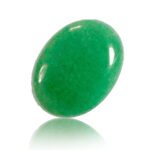
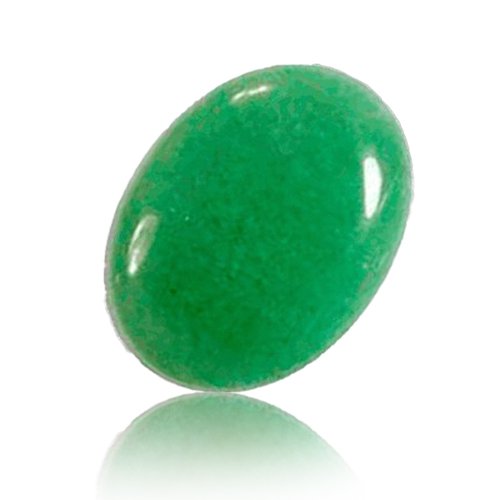
Green Aventurine is a soothing green gemstone known for its shimmering, sparkly appearance and its association with luck, prosperity, and heart-centered energy. Often referred to as the “Stone of Opportunity,” it is believed to attract wealth, abundance, and personal growth. Aventurine belongs to the quartz family and derives its shimmering effect, called aventurescence, from tiny mineral inclusions such as mica or hematite. Mined in regions including India, Brazil, Russia, and Tanzania, Green Aventurine is commonly used in jewelry, talismans, and spiritual practices. Beyond its aesthetic appeal, it is valued for its emotional and spiritual benefits, including promoting optimism, emotional calm, and overall well-being. Ethical sourcing and sustainable mining practices are increasingly emphasized, aligning with its cultural and spiritual significance.
Physical Characteristics of Green Aventurine
Color and Appearance:
Light to deep green with shimmering metallic flecks caused by aventurescence.
Hardness and Durability:
Scores 6.5–7 on the Mohs hardness scale, making it durable for jewelry use.
Unique Features:
Distinguished by its sparkly, glitter-like effect and smooth, polished surface; translucence varies from opaque to semi-transparent.
Origin and Sourcing
Geological Formation:
Forms in quartz-rich metamorphic rocks and hydrothermal veins.
Major Mining Locations:
India, Brazil, Russia, Tanzania, and China.
Historical and Cultural Significance:
Used in ancient cultures as a talisman for good luck, wealth, and protection.
Astrological Significance
Associated Graha:
Jupiter (Guru)
Recommended Astrological Conditions for Wearing:
Recommended for individuals seeking prosperity, abundance, and good fortune, especially during weak Jupiter periods.
Cultural and Mythological References:
Believed to enhance opportunities, personal growth, and optimism in life.
Therapeutic and Healing Properties
Believed Health Benefits:
Thought to support heart health, reduce stress, and improve overall vitality.
Emotional and Spiritual Benefits:
Believed to enhance optimism, emotional calm, courage, and decision-making.
Traditional Uses:
Used in meditation, manifestation rituals, and carried as lucky charms or talismans.
Jewelry and Usage
Popular Forms:
Rings, pendants, bracelets, beads, and carved figures.
Recommended Metals for Setting:
Silver, yellow gold, and rose gold complement its warm green hue.
Care and Maintenance Tips:
Clean with mild soap and water; avoid harsh chemicals and prolonged exposure to heat or sunlight.
Market and Value
Factors Affecting Value:
Color intensity, quality of aventurescence, size, and polish.
Tips for Identification of Authentic Stones:
Look for natural shimmering flecks and uniform green coloration; certification ensures authenticity.
Market Trends and Availability:
Widely available and affordable, making it popular in jewelry, crystal healing, and decorative objects.
Ethical and Environmental Considerations
Responsible Sourcing Practices:
Focus on ethical mining, transparent supply chains, and conflict-free sourcing.
Environmental Impact:
Efforts are made to minimize ecological damage during extraction and promote sustainable practices.
Ethical Concerns:
Ensuring fair labor conditions and responsible gemstone sourcing.
Historical and Cultural Context
Historical Uses and Significance:
Used in ancient China, India, and Europe as a symbol of luck, opportunity, and prosperity.
Cultural Beliefs and Traditions:
Often carried as a talisman for success, wealth, and personal growth.
References in Literature and Art:
Frequently referenced in spiritual and cultural traditions as a stone of abundance and optimism.
Reviews
There are no reviews yet.