







Description
What is Selenite?
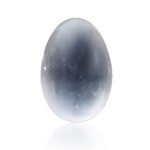
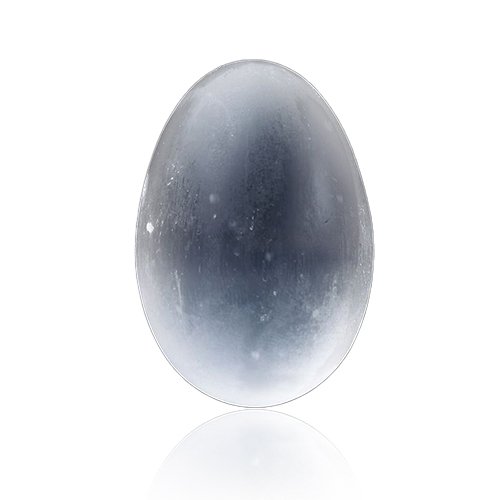
Selenite is a translucent, milky-white crystal known for its ethereal glow and strong spiritual energy. Often called the “Stone of Purity” or “Crystal of the Mind,” Selenite is highly regarded in metaphysical practices for its ability to cleanse energy, enhance clarity, and promote spiritual growth. Unlike many other minerals, Selenite is a soft gypsum crystal with a pearly luster and natural striations. It is primarily found in Mexico, Morocco, and the United States. Beyond its visual beauty, Selenite is widely used in energy healing, meditation, and home purification. Its gentle, calming properties make it popular among those seeking emotional balance, protection, and connection to higher consciousness.
Physical Characteristics of Selenite
Color and Appearance:
Milky white to translucent, often with a pearly or fibrous sheen.
Hardness and Durability:
Scores 2 on the Mohs hardness scale, making it soft and delicate; not suitable for rough wear.
Unique Features:
Distinctive for its fibrous striations, natural luster, and soft, lightweight structure; can be easily carved into wands, towers, or slabs.
Origin and Sourcing
Geological Formation:
Forms from evaporated mineral-rich water in sedimentary deposits.
Major Mining Locations:
Mexico, Morocco, United States (California, Utah), and parts of Europe.
Historical and Cultural Significance:
Used in ancient civilizations for ritual objects and spiritual practices due to its luminous appearance and perceived purity.
Astrological Significance
Associated Graha:
Moon (Chandra) and Sun (Surya) in some traditions.
Recommended Astrological Conditions for Wearing:
Often suggested for enhancing intuition, spiritual awareness, and calming emotional energy.
Cultural and Mythological References:
Believed to connect the physical and spiritual realms; associated with mental clarity and divine energy.
Therapeutic and Healing Properties
Believed Health Benefits:
Thought to aid mental clarity, relieve stress, and improve meditation practices.
Emotional and Spiritual Benefits:
Believed to cleanse negative energy, promote emotional balance, and enhance spiritual insight.
Traditional Uses:
Used in energy healing, meditation, chakra cleansing, and placed in homes for purification.
Jewelry and Usage
Popular Forms:
Selenite wands, towers, slabs, pendants (protected by resin or silver), and decorative objects.
Recommended Metals for Setting:
Silver or protective resin coatings are used to create jewelry pieces, as raw Selenite is too soft for regular wear.
Care and Maintenance Tips:
Do not expose to water or harsh chemicals; clean with a dry soft cloth; handle gently due to softness.
Market and Value
Factors Affecting Value:
Clarity, size, quality of striations, and polish.
Tips for Identification of Authentic Stones:
Natural Selenite is lightweight, fibrous, and soft; fake or dyed stones may differ in texture and weight.
Market Trends and Availability:
Widely available and affordable; commonly used in metaphysical, home décor, and wellness products.
Ethical and Environmental Considerations
Responsible Sourcing Practices:
Focus on ethical mining and minimal environmental impact.
Environmental Impact:
Selenite mining has low environmental impact, but over-extraction should be avoided to protect deposits.
Ethical Concerns:
Ensuring fair labor practices in mining communities.
Historical and Cultural Context
Historical Uses and Significance:
Used in spiritual practices, rituals, and architectural applications, including windows in ancient buildings for its translucent quality.
Cultural Beliefs and Traditions:
Believed to purify spaces, promote harmony, and connect to higher spiritual energies.
References in Literature and Art:
Selenite is often depicted as a symbol of purity, light, and spiritual awakening.
Reviews
There are no reviews yet.