









An Overview of the Pearl World
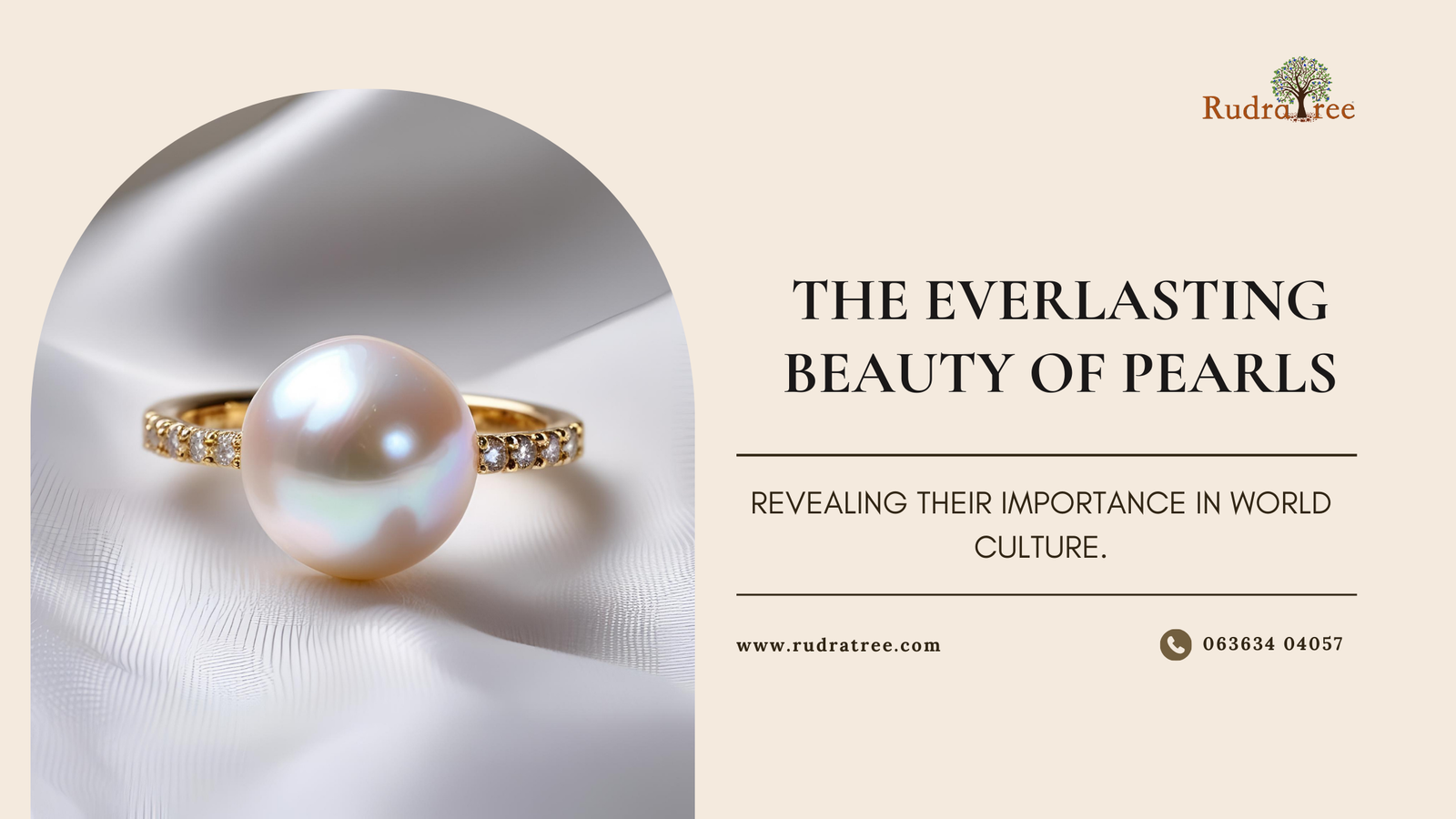
Pearls are more than just a glittering item you wear; they have a certain power. They have had a unique meaning for ages all around the world, representing riches, wisdom, and purity. Imagine discovering this flawless, shining pearl inside an oyster you find while diving deep into the ocean. Isn’t that a form of natural magic? Pearls are more than simply jewellery, though; they can tell stories about rich cultures and ancient civilizations. They have been used as currency, worn by kings and queens, and even admired in paintings. Like the tales they contain from around the globe, each pearl is distinct. Therefore, keep in mind that a pearl is more than just a piece of jewellery when you look at it. It is a gateway to many civilizations, a piece of history, and an elegant relic.
The Cultural Significance of Pearls Throughout History
Pearls have been prized for thousands of years by many cultures around the world, not just as decorative items but also as representations of riches, wisdom, and purity. Pearls were worn by the wealthy and influential to demonstrate their wealth and social standing in ancient Rome, where they were regarded as the ultimate status symbol. In contrast, pearls were seen as a symbol of strength and knowledge in ancient China and were thought to provide protection from dragons and fire. As demonstrated by the legendary instance of Cleopatra smashing a pearl into a glass of vinegar to demonstrate her ability to throw the most lavish banquet in history, the Egyptians were so fond of pearls that they were buried with them. Pearls are frequently presented as gifts during significant life events and are seen as a symbol of purity and integrity in Japanese culture. This widespread admiration for pearls highlights their allure and enduring attraction throughout human history. Their enduring heritage in jewelry and apparel, which has been handed down through the generations, is evidence of their timeless appeal and the profound cultural connotations that these iridescent jewels have acquired.
Pearls’ Significance in Ancient Civilizations
People have been in awe of pearls’ beauty and mystique since ancient times. These natural beauties were more than just beautiful objects; they had profound symbolic connotations in many different cultures around the world. Pearls were thought to be tears of joy from the goddess of love, Aphrodite, in ancient Greece. Pearls were frequently given as wedding presents since the Greeks connected them to love and marriage. Pearls were the quintessential representations of wealth and social status in ancient Rome. The more pearls you showed off, the wealthier you were. It was all about flaunting one’s position and authority. Pearls were so prized in ancient Egypt that they were interred with the deceased. To demonstrate that she could eat the wealth of a whole country in a single dinner, Cleopatra is reported to have dissolved a pearl in a glass of vinegar. Pearls, a symbol of experience-based knowledge, were believed to shield wearers from dragons and fire in Chinese societies. In addition to their beauty, they were valued for the protecting abilities they were thought to possess. Pearls were therefore more than simply ornaments in many parts of the world, from Egypt and China to Greece and Rome. They were powerful representations of wisdom, riches, love, and protection.
In Eastern Traditions, Pearls Are a Sign of Purity and Wealth
Pearls are more than simply jewels in Eastern customs; they are also considered to be signs of purity and prosperity. Pearls have been used for ages as a prestige symbol by aristocrats and monarchy in nations like China, India, and Japan. Pearls were so prized by the Chinese that they were previously offered as gifts to gain favor and as offerings to royalty. Pearls are thought to be dewdrops from heaven that are captured by shells in the ocean’s depths, and they have long been connected to the gods in India. In contrast, pearls are associated with perfection and purity in Japan, in part due to their frequent usage in Shinto rites. Exploring the past will reveal tales of emperors and empresses, maharajas, and samurais who all shared a profound respect for the common pearl. In many societies, pearls are more than just ornaments; they represent the highest ideals and goals of human existence.
The Function of Pearls in Western Royalty and Fashion
Pearls have long been associated with sophistication and elegance in Western society. They make a statement and are more than just accessories. Pearls were so valuable in the past that only royal families and nobility could purchase them. Imagine England’s Queen Elizabeth I, displaying her wealth and authority while wearing pearls. Pearls went from being royal gems to becoming a wardrobe need for all sophisticated women. Pearls were adopted by designers such as Coco Chanel, who used them as a representation of stylish femininity. “A woman needs ropes and ropes of pearls,” as Chanel once stated. Although pearls’ style is constantly changing, their fundamental qualities of beauty and richness never change. In Western fashion and aristocracy, pearls represent a timeless elegance that cuts across generations, whether it’s a modest pearl necklace or a cutting-edge piece.
Healing and Spiritual Qualities credited to Pearls
People from many cultures think pearls have special spiritual and therapeutic qualities. Wearing pearls is believed to promote tranquility and calmness. They are frequently seen as a source of emotional equilibrium, assisting the wearer in controlling tension and unpleasant emotions. Pearls are seen by some civilizations as a link to the moon, whose calming force affects our emotional tides. They are also thought to encourage integrity in the wearer and represent purity. Pearls have been used in traditional remedies to treat a variety of illnesses, from minor eye conditions to more serious cardiac problems. The premise is that pearls are more than just an ornament because of their calming beauty, which can heal the body and mind.
The Pearl’s Journey: From Ornament to Oyster
Pearls begin their life cycle within freshwater or marine mussels or oysters. When a little irritant, usually a particle of sand, enters the shell, the magic starts. In response, the oyster coats this irritant in layers of a unique material known as nacre. These layers accumulate over time, turning the irritation into a pearl. Imagine it like the oyster turning lemons into lemonade. Years may pass throughout this process. Nowadays, the majority of pearls are produced; natural pearls are uncommon. This indicates that the irritant is purposefully placed into the oyster by people to initiate the process. Before the pearl is made into jewelry, it must first be sorted, cleaned, and occasionally treated to improve its beauty. Pearls have been used to bring grace and elegance to people’s attire for thousands of years, whether as a part of an extravagant crown or as a simple, elegant necklace.
The Different Types of Pearls and Their Special Qualities
There are many kinds of pearls, and each has a distinct charm. Because of their amazing variety of forms, sizes, and hues, freshwater pearls—which come from lakes and rivers—are adored. They are the preferred choice for price and adaptability. In the meantime, pearls from saltwater, such as the sought-after Akoya, Tahitian, and South Sea pearls, surface from the ocean’s depths. Originating in China and Japan, akoya pearls are a timeless option for elegance because of their brilliant radiance and round shape. Dark and exotic, Tahitian pearls are distinguished by their distinctive shades, which range from deep black to gray. The size and creamy, satiny sheen of South Sea pearls, which are mostly from Australia and the Philippines, make them strike. Every variety of pearl has a unique history, rooted in the customs and cultures of its native land, and is a universal emblem of riches, wisdom, and purity.
Pearls’ Modern Applications in Jewellery and Fashion
Pearls are popular in jewelry and apparel these days, appearing in everything from high-end designer collections to casual clothing. Let’s dissect it. Pearls are no longer limited to your grandmother’s necklace in jewelry. Using their imaginations, designers are creating items that combine pearls with leather, metals, and even other gemstones. Pearls can be found in chokers, bracelets, earrings, and yes, even in traditional necklaces with a contemporary twist.
Pearls are becoming more than just accessories in the fashion world. They are being sewed onto clothing to embellish shoes, cuffs, and collars. While some designers go all out and incorporate pearls into opulent gowns and formal attire, others utilize them to bring a touch of refinement to more casual pieces like jeans and t-shirts. The concept is straightforward: pearls give off an air of refinement and traditionalism, but when incorporated into current styles, they are anything but archaic.
However, it’s not just about appearances. A combination of refinement and purity, pearls are a sign of wealth and rank in many civilizations. It’s like wearing a piece of history when pearls are incorporated into jewellery and daily attire, but with a contemporary twist that declares, “I respect traditions but on my terms.”
Therefore, keep in mind that pearls are more than just an adornment the next time you see them. It’s a declaration. Pearls have evolved significantly and appear to be here to stay in the fashion industry, demonstrating that style is always in.
Maintaining Pearls’ Legacy for Upcoming Generations
Action must be taken now to preserve the pearl’s heritage. Consider pearls to be jewels that have been handed down through the ages. It is essential to take care of them and recognize their cultural value in order to preserve their brilliance and relevance. Begin by teaching people about the origins of pearls, their significance in many cultures, and how they are used as a global symbol of purity, prosperity, and wisdom. Encourage pearl cultivation that is sustainable as well. This process guarantees that pearls can be produced without endangering marine life and respects our oceans. Encourage purchasing real pearls rather than imitations. This maintains the cultural legacy associated with natural pearls as well as the artistry of pearl jewellery. Telling younger members of your family or community about pearls might pique their interest and help them to value and carry on the pearl-valuing legacy. By doing these things, we make sure that pearls’ heritage endures and ties us to both our history and other cultures.